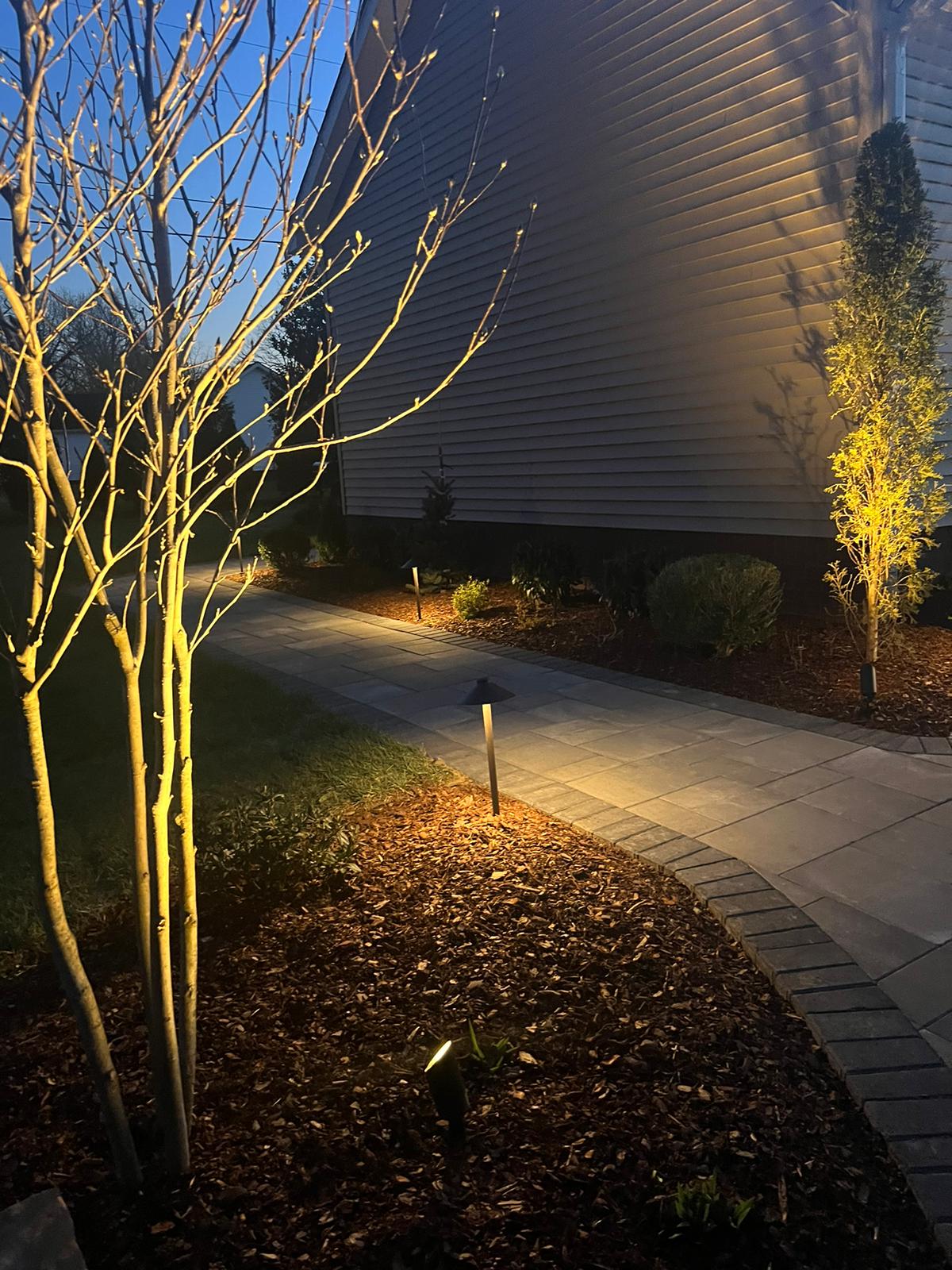
Planning Your Spring Garden Now
As the days grow longer and the temperatures start to rise, spring is the perfect time to start planning your garden. Whether you're a seasoned gardener or a beginner, getting a head start on your spring garden will help you achieve a flourishing landscape come blooming season. In this post, we will explore the key steps to effectively plan your spring garden, ensuring that you maximize your space and time.
Why Plan Your Spring Garden Early?
Planning your garden early offers numerous benefits that can lead to a more successful growing season. Here are a few reasons why you should consider starting your garden planning now:
- Maximize growing time by selecting early-blooming plants.
- Increase efficiency by organizing planting schedules and tasks.
- Prevent last-minute rush and stress during peak planting times.
- Allow time for soil preparation and amendments.
- Create a cohesive design that enhances the visual appeal of your garden.
Assessing Your Space
Before diving into what to plant, it's essential to assess your garden space. Consider the following aspects:
- Sunlight: Observe how much sun different areas of your garden receive throughout the day.
- Soil type: Determine whether your soil is sandy, clay, or loamy and amend it as necessary.
- Water access: Identify how you will water your garden and if you need to install irrigation systems.
- Space: Measure your garden area to understand how much you can plant without overcrowding.
Choosing the Right Plants
Selecting the right plants for your spring garden is crucial for a successful harvest and beautiful blooms. Here are some factors to consider:
- Climate: Choose plants that thrive in your local climate and are suited to your hardiness zone.
- Space requirements: Consider the mature size of plants to avoid overcrowding.
- Plant compatibility: Pair plants that grow well together and can benefit from each other's growth.
- Personal preference: Select plants that you enjoy and will use, whether for cooking, decorating, or attracting wildlife.
Designing Your Garden Layout
Once you've assessed your space and chosen your plants, it’s time to design your garden layout. Here are some tips to create an effective garden design:
- Plan pathways: Designate clear paths for easy access and maintenance.
- Group plants: Organize plants by height, color, or type to create visual interest.
- Incorporate vertical elements: Use trellises or stakes to maximize space and add depth.
- Consider seasonal blooms: Plan for a staggered blooming schedule to ensure continuous color.
Preparing Your Soil
Good soil is the foundation of a thriving garden. Here’s how to prepare your soil for planting:
- Test your soil: Use a soil test kit to determine pH and nutrient levels.
- Amend as needed: Add organic materials like compost or well-rotted manure to improve soil quality.
- Till the soil: Loosen the soil to improve aeration and drainage.
- Weed control: Remove existing weeds to prevent competition for nutrients.
Creating a Planting Schedule
A planting schedule helps you stay organized and ensures you plant at the right time. Consider the following when creating your schedule:
- Research planting dates: Identify the last frost date for your area and plan accordingly.
- Sequential planting: Stagger planting times for continuous harvests.
- Record keeping: Maintain a journal of your planting dates and observations.
- Reminders: Set reminders for planting and maintenance tasks.
Conclusion
Planning your spring garden now is a proactive step towards achieving a vibrant and productive garden. By taking the time to assess your space, choose the right plants, and prepare your soil, you set the stage for a successful growing season. With a little foresight and organization, you can enjoy the beauty and bounty of your spring garden throughout the year. Don’t wait—start your garden planning today!