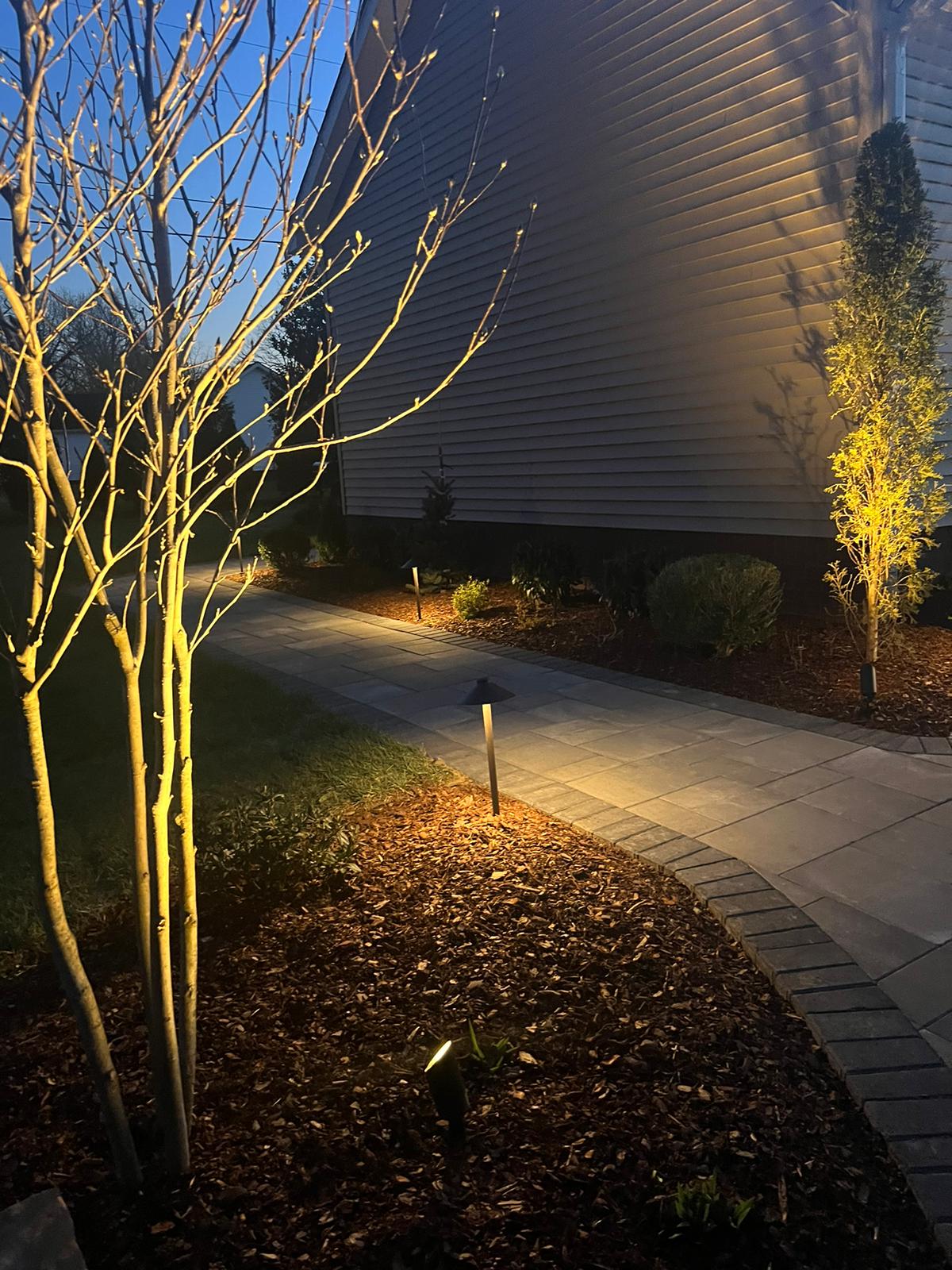
Wildlife Habitats: Enhancing Your Landscape
Creating a wildlife habitat in your landscape not only enhances the beauty of your garden but also supports local biodiversity. By incorporating various elements into your garden design, you can attract a variety of wildlife, from birds to butterflies, creating a thriving ecosystem right in your backyard.
Why Create Wildlife Habitats?
Wildlife habitats serve multiple purposes, including:
- Supporting local wildlife populations
- Improving biodiversity
- Enhancing the aesthetic appeal of your landscape
- Providing educational opportunities for children and adults
- Creating a natural pest control system
Key Elements of a Wildlife Habitat
To create an effective wildlife habitat, consider including the following elements in your landscape design:
- Native plants that provide food and shelter
- Water sources such as bird baths or ponds
- Shelter options like birdhouses, bat boxes, and brush piles
- Diverse plant structures including trees, shrubs, and ground cover
- Minimal chemical use to protect wildlife
Choosing Native Plants
Native plants are essential for attracting local wildlife. They provide food sources and habitat for insects, birds, and other animals. Here are some tips for selecting native plants:
- Research which plants are native to your region
- Choose a variety of plant types (flowers, shrubs, trees)
- Opt for plants that bloom at different times to provide food year-round
- Avoid invasive species that can harm local ecosystems
Water Sources for Wildlife
Water is a critical component of any wildlife habitat. Here are some suggestions for integrating water sources into your landscape:
- Install a bird bath and keep it clean and filled
- Create a small pond or water feature
- Use rain barrels to collect rainwater for plants and wildlife
- Plant moisture-loving plants around water features to encourage visits
Creating Shelter and Nesting Areas
Providing shelter is vital for wildlife survival. Here are some ideas for creating safe spaces for creatures:
- Build birdhouses using natural materials
- Create brush piles with fallen branches and leaves
- Plant dense shrubs for nesting and cover
- Leave some areas of your garden wild and unmanicured
Maintaining Your Wildlife Habitat
Establishing a wildlife habitat is just the beginning. Regular maintenance is crucial to ensure it thrives. Here are some maintenance tips:
- Monitor plant health and replace dead or diseased plants
- Avoid using pesticides and herbicides
- Keep water sources clean
- Prune plants as needed to encourage new growth
Engaging with Your Wildlife Habitat
Engaging with the wildlife in your garden can be fulfilling. Consider:
- Setting up a birdwatching station
- Keeping a journal of wildlife sightings
- Participating in local conservation programs
- Educating others about the importance of wildlife habitats
Conclusion
Creating a wildlife habitat enriches your landscape while supporting local ecosystems. By incorporating native plants, water sources, and shelter, you can transform your garden into a sanctuary for wildlife. With proper maintenance and engagement, your landscape can thrive as a beautiful and functional habitat for years to come.